Marketing your game on social media and trying to grow a community, this short but simple post writes about the base of getting started with SM/CM!
If you find most marketing advice too general or focused on game loop success rather than marketing, we are making a ultimate indie games marketing guide!
But enough about me and my love for indie games; this article is for you, the gamedev!
This article contains referral links to tools we genuinely use on a daily basis and recommend for their pricing; there are no paid advertisements in this article.
Let’s start out simple; at first you’re going to need to set up your social media profiles and find out who and where your audience is. You can compare your games to others and see if their audience overlaps with yours online. It’s good to see what others have done, but it doesn’t guarantee success; you’ll always need to brainstorm content ideas.
You can use a website like https://www.50gameslike.com/, which will give you 50 similar games to your genre or game.
Some marketing things are easy to do; if you are making a space game, make videos of your game dev journey in a space suit with a space helmet. Set your brand from the start and see how you can think outside the box. This way, you won’t be posting the same content as everyone else.
There are a lot of hashtags that the indie game community & the gaming industry use to get their games out there. Do keep in mind that while using these, it mostly stays within the communities and doesn’t reach a wider audience. Many people host these hashtags on specific days for you to reply to on Twitter, mostly to find new games for their content or to reach out to.
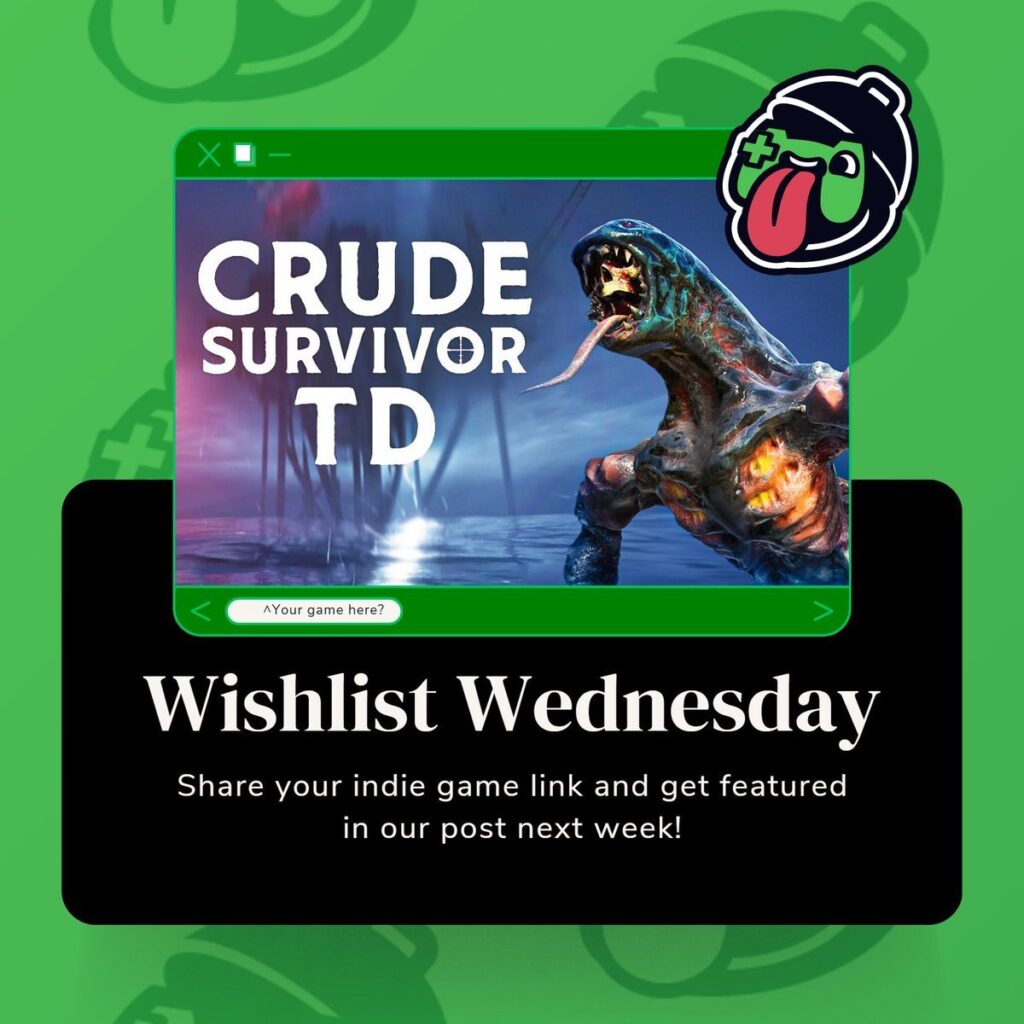
You have #MeetupMonday, #TrailerTuesday, #WishlistWednesday, #FollowFriday, #ScreenshotSaturday, #ShowcaseSunday, and a lot more iterations that people make up themselves. Watch out with these, as you can be quickly marked as spam if you overdo these; always post something new in terms of text.
You can also follow trends, like indies tweeting their trailers with the text that they can’t afford to have it shown at The Game Awards, or before-and-after videos of your game. You can join these, but it may not work out and leave you with fewer impressions than you want.
An important thing to remember is that you can’t chase going Viral. If you have a TikTok going Viral, that can be great, but it could also mean not a lot of conversions. Stay consistent, have fun in what you do, and don’t let it consume you too much. Of course track what goes well and what doesn’t so you can try to recreate that.
Communities are spread over your socials, forums, and in-game; one place to get them all together is a Discord server. Setting up a Discord server is simple, but the challenging part is keeping it active and growing, especially since people are already members of many other servers. At first, you can use your server to contact players and get game feedback. The most important thing is to acknowledge your community and find a way to reward them. This does not have to be monetary; you can set up roles in the server for them to get recognition, like an OG or playtester role, giving them access to early beta playtests or behind-the-scenes updates.
There are also other communities that you can join; many indie game servers allow you to promote your game. We actually encourage developers to join the Game Taste server and share their game, even if they are not part of our clientele. If you would like to do that, you can do so here: https://discord.gg/YdvRyqsvd2
. Here’s a list of indie game Discords you can join to talk about your game more: https://docs.google.com/spreadsheets/d/1dD5ooNCOLYjpJ8VGdA3P7dw9QeKIi68tCgDmKlrEpp0/edit?usp=sharing
Now it’s up to you to get started and see what fits best for you!
We would love to see your progress, so feel free to show us along the way.